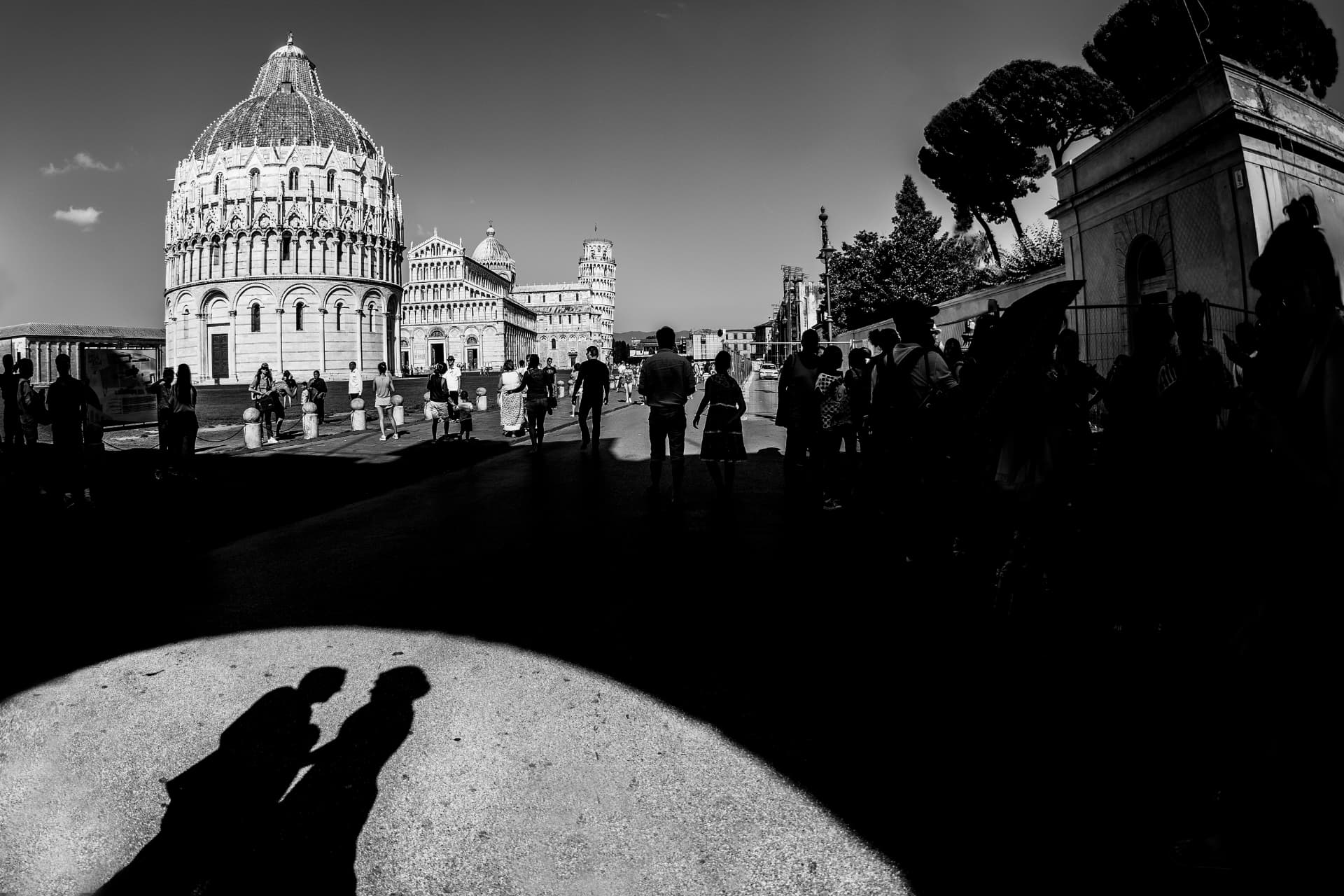
Journal
Black and white
Some photographs do not need colour to be remembered.
Black and white has always been part of my photography. I do not see it as an alternative to colour, nor as an aesthetic choice applied in post-production. It is a language of its own, an integral part of how I observe and tell what happens.
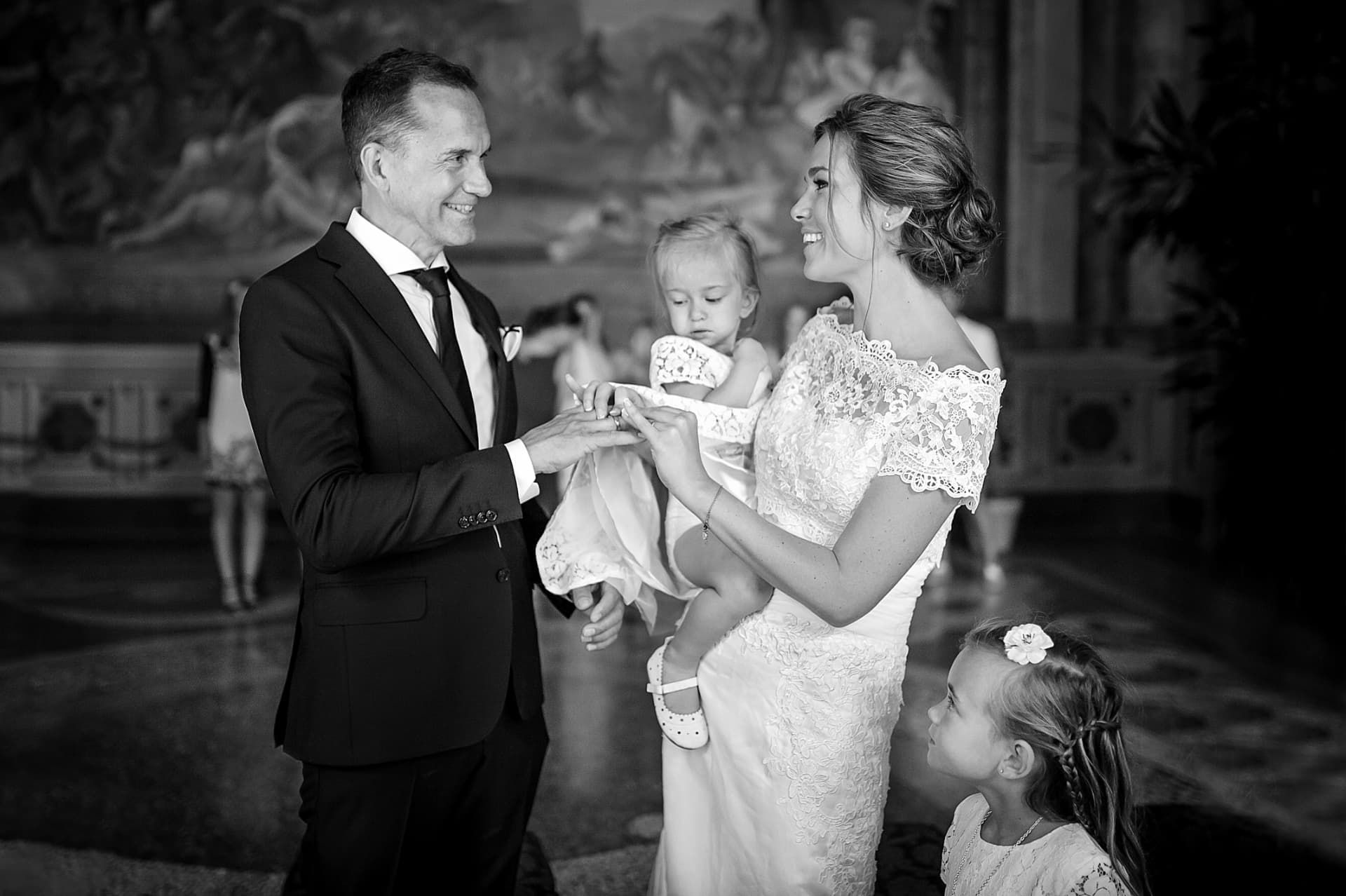
When colour disappears, what truly matters to me remains: light, gestures, glances, distances, people and emotions.
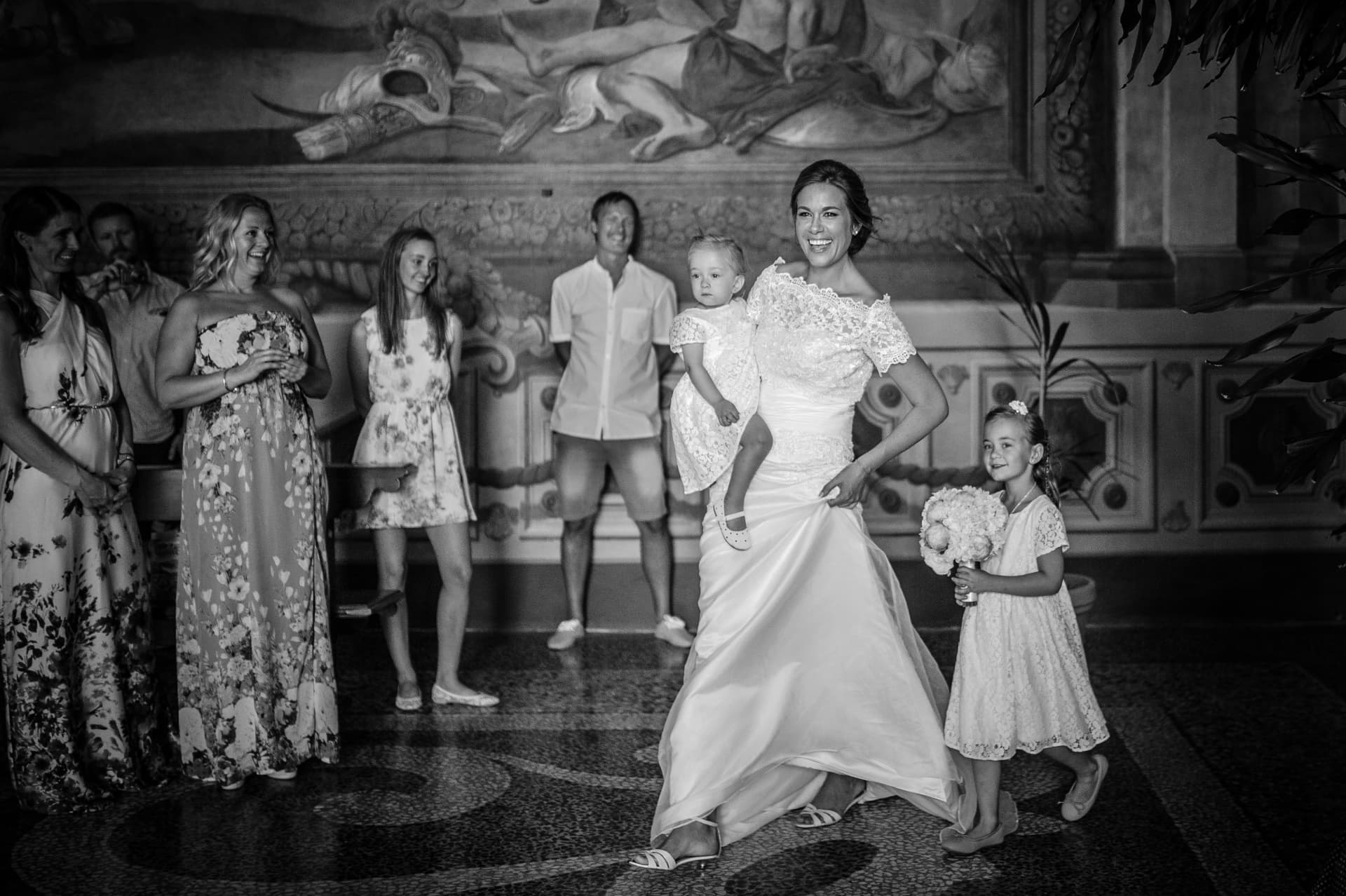
Without chromatic distraction, a photograph can become even more essential. An expression gains intensity, a hand resting on a shoulder takes centre stage, light crossing a room can tell the atmosphere of a moment on its own.
That is why, within a wedding, black and white is never separate from the story. It becomes part of it, strengthening certain passages and giving the images a more intimate, deeper dimension.
Photographing light
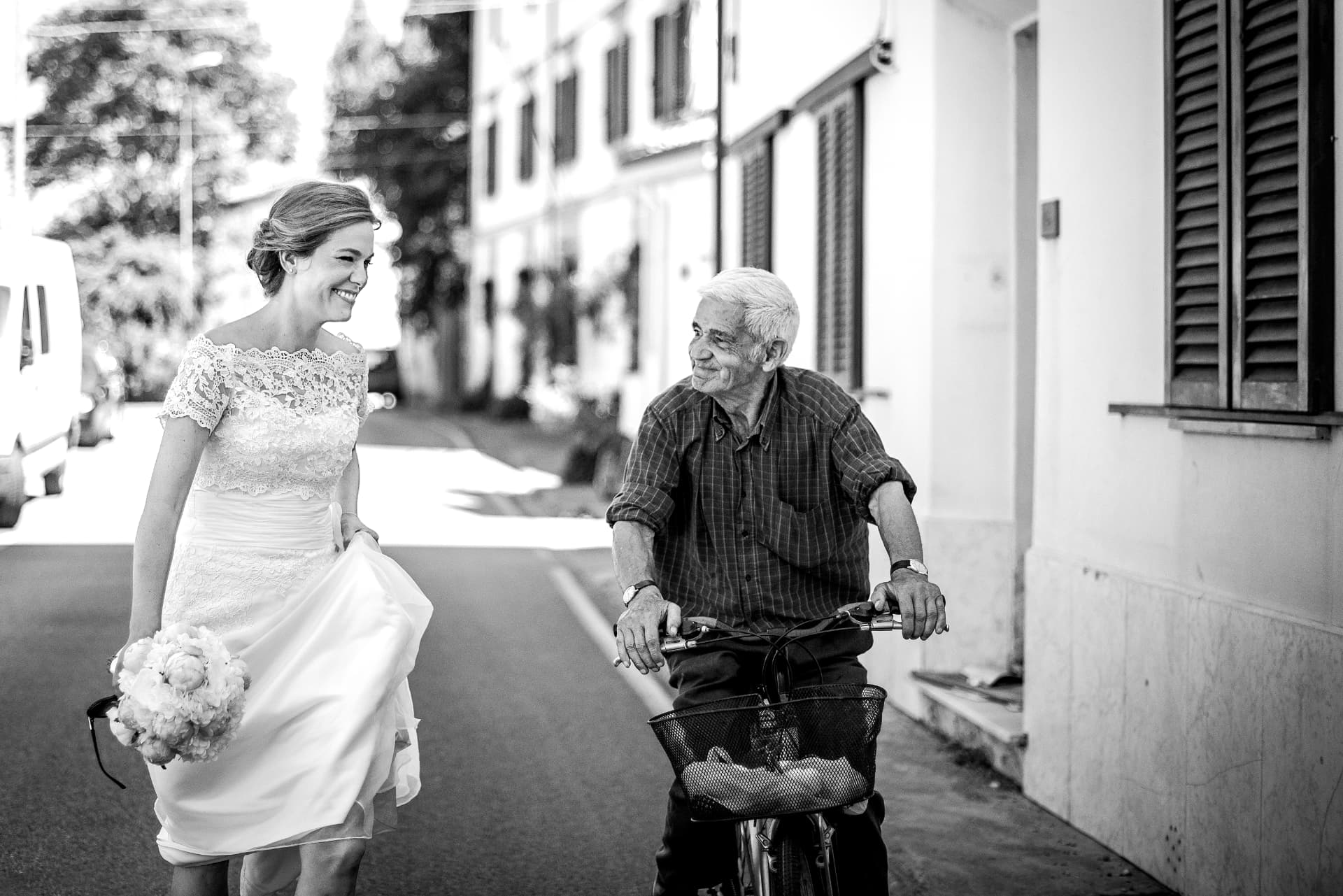
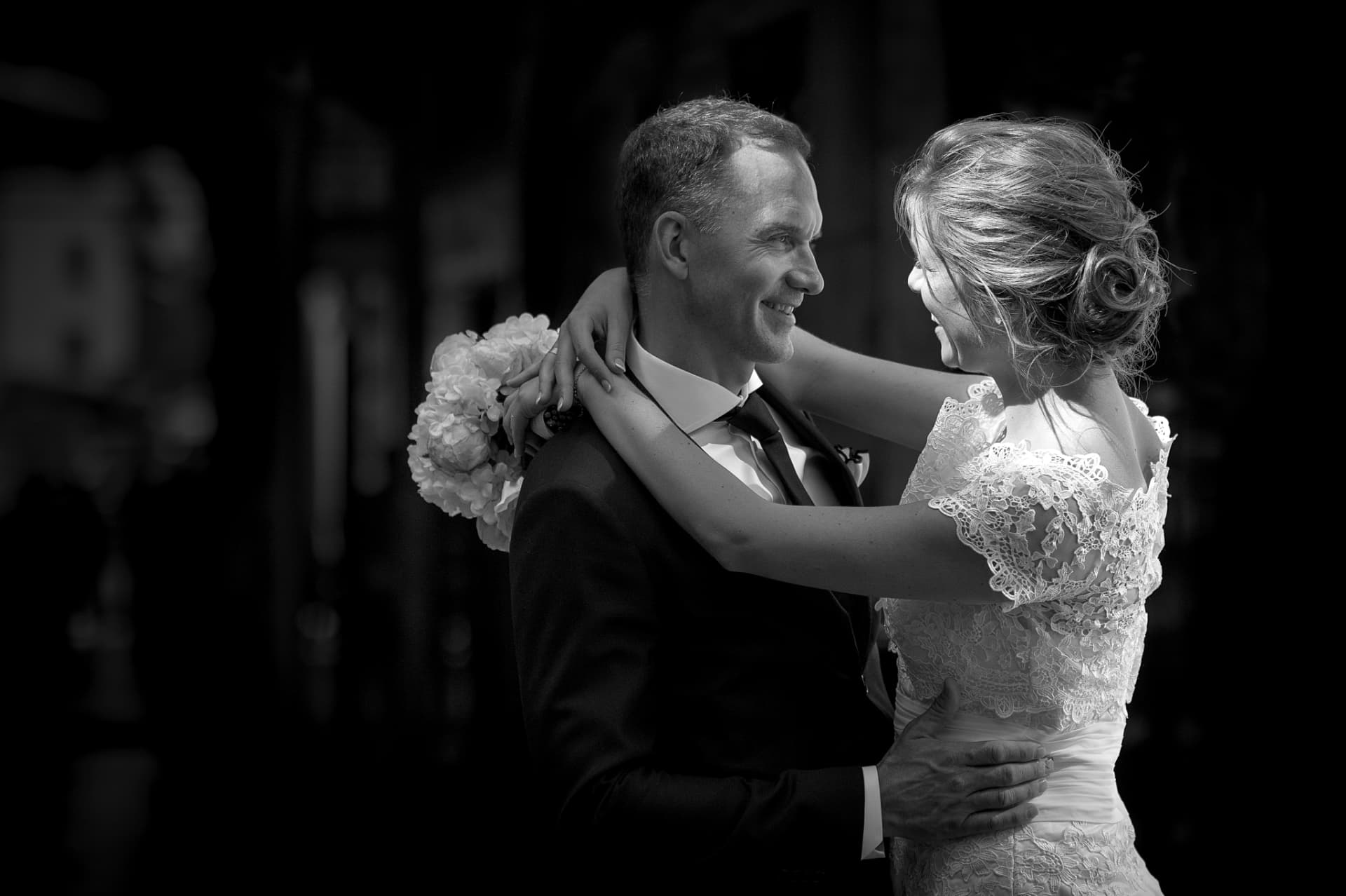
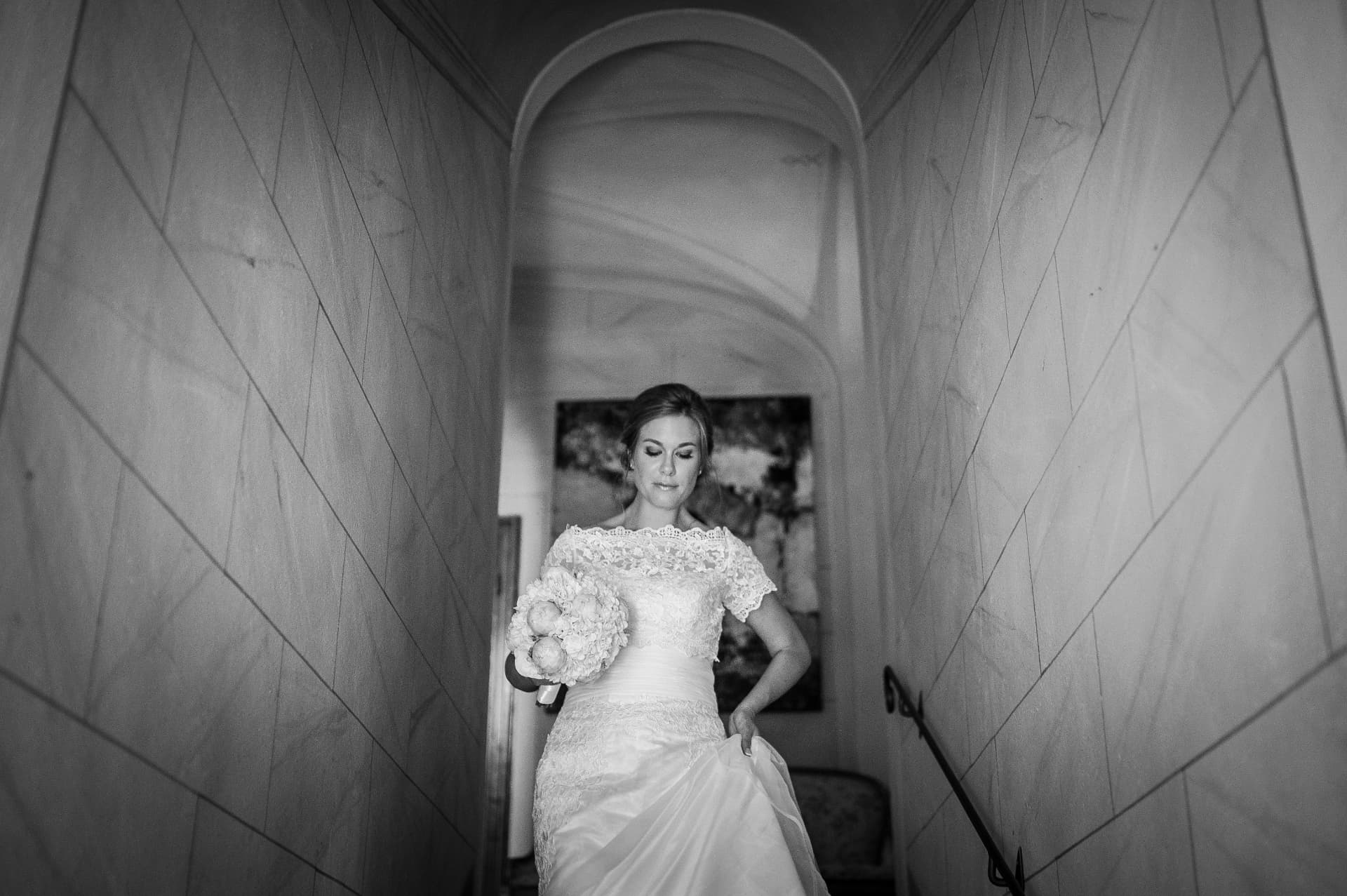
Black and white asks for a particular attention to light.
When colours are gone, it is the relationship between brightness and shadow that builds the whole image. You have to learn to recognise good light before you even take the shot: how it falls on a face, how it draws a space, how much it separates a figure from the background or, on the contrary, lets it slowly emerge from the shadow.
It is a way of photographing that requires observation, sensitivity and above all experience.
During a wedding, light changes continuously. It can be soft and delicate during the preparations, hard and direct in the middle of the day, almost imperceptible during a candlelit dinner.
Part of my work is reading it quickly and turning it into part of the story, without interrupting what is happening.
Beyond trends
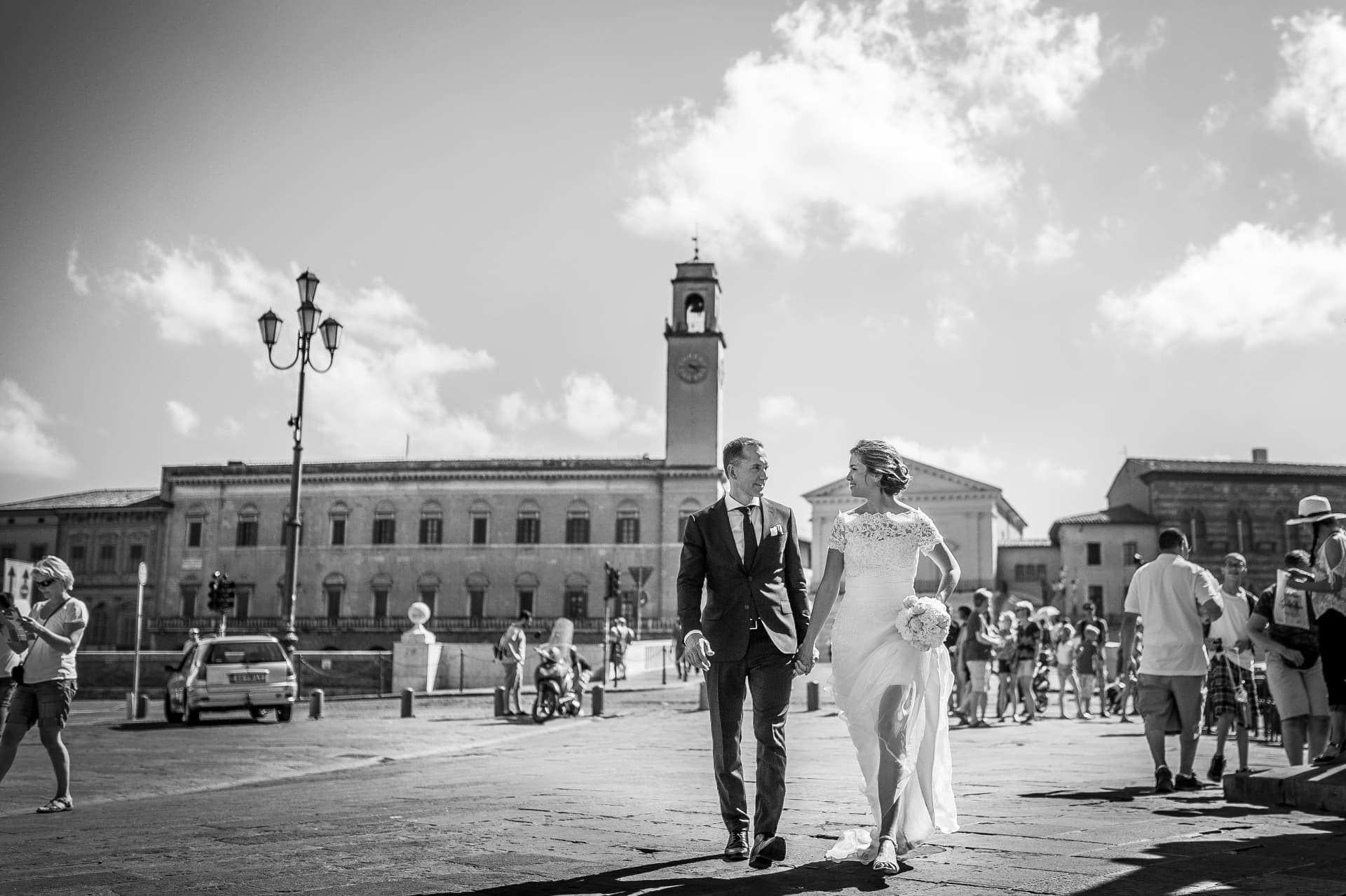
One of the qualities I love most about black and white is its ability to travel through time.
A photograph taken today can keep the same strength in ten, twenty or fifty years. It has no need to chase the trends of the moment.
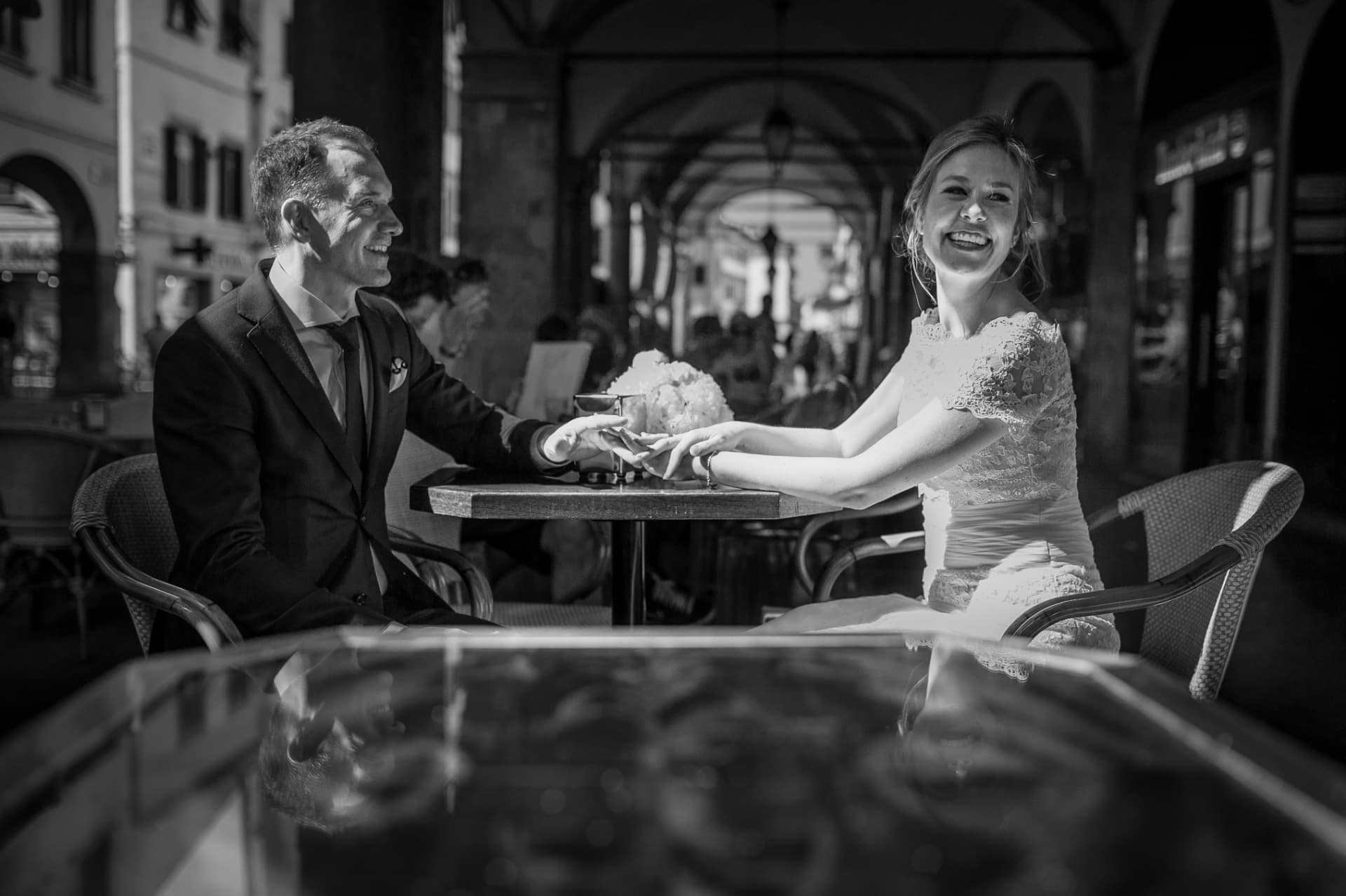
This is why my black and white deliberately keeps a clean, deep, contemporary aesthetic, far from extreme processing. Contrast, the density of the blacks, the luminosity of the skin and the richness of the midtones are worked carefully so the image has character without losing naturalness.
The result I look for is not simply a photograph without colour. I look for images with presence.
Photographs that can stand alone, be printed, looked at for a long time and still give something back many years later.
The story, first of all
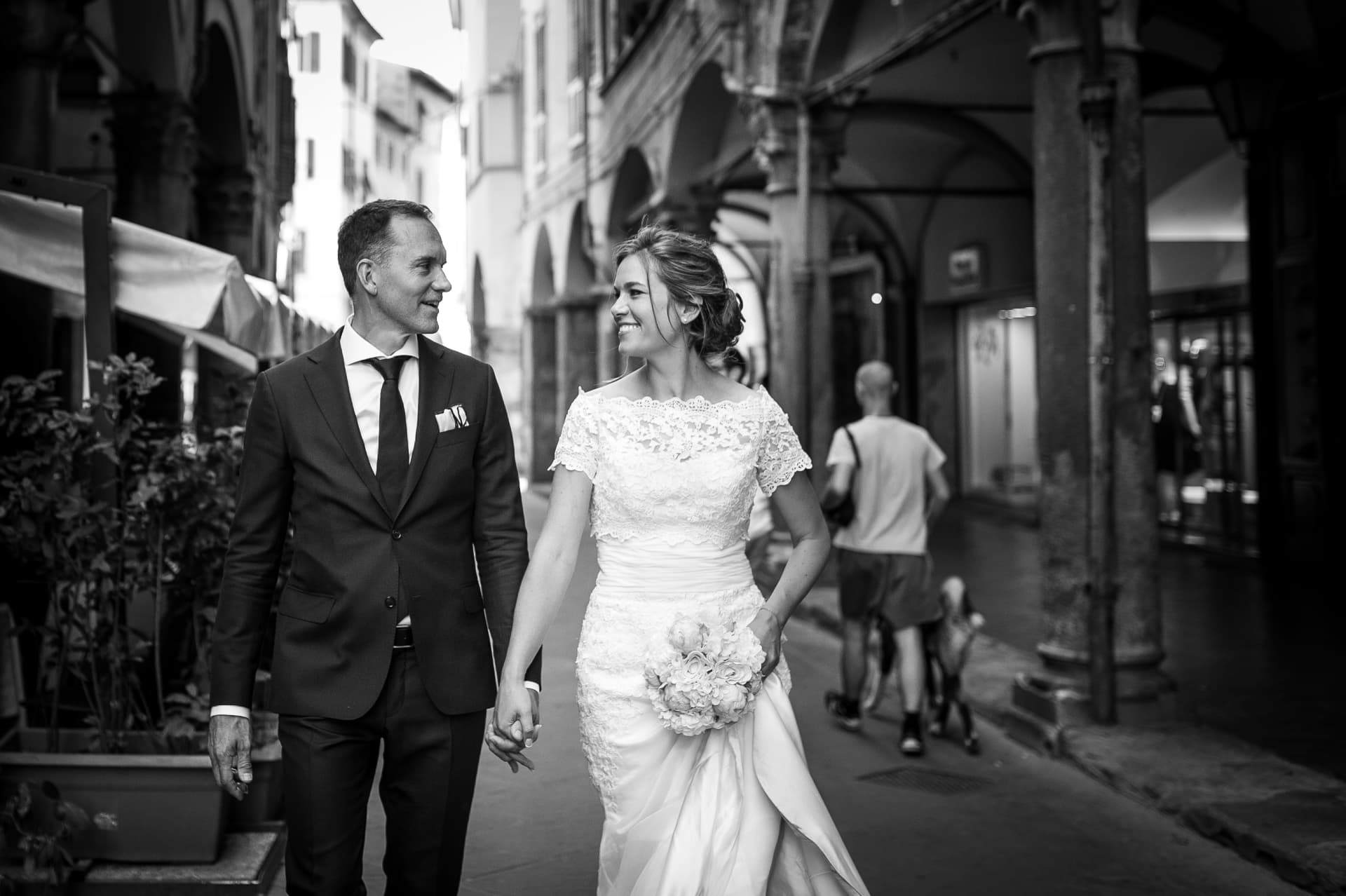
At a wedding I do not decide in advance which photographs will be in black and white. Very often, it is the photograph itself that suggests it.
There are images in which colour is essential to tell the atmosphere. Others become stronger when everything is reduced to its essence.
It is a choice born of experience and of reading the moment, not of a formula.
Black and white enters the story naturally: some images become silent, others more intense, others almost cinematic.
And this is exactly what I still love after so many years of photography: the possibility of turning a real moment, perhaps lasting a fraction of a second, into an image that stays. For me, this is what black and white is.
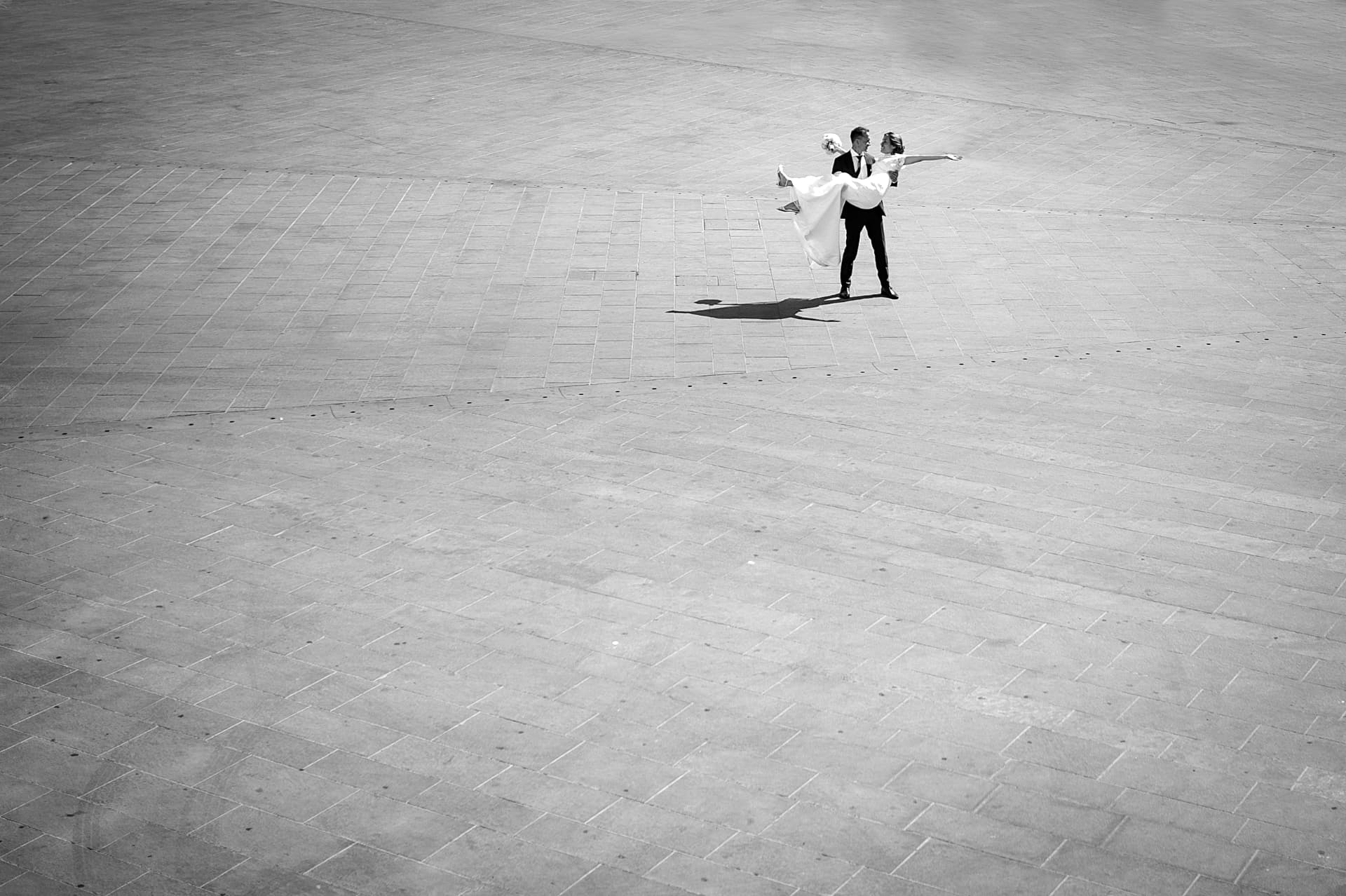
Take away what is not needed,so that what matters can emerge.